

The situation-centric design practice
Every connected system contains unrealized social potential.
To notice a situation. To make a gesture. To participate in the life of the people and places around it.
Our work starts from a simple question: what role could technology play?
The answers are concrete and inhabitable. They are not finished products. They are design questions made tangible enough to build toward.
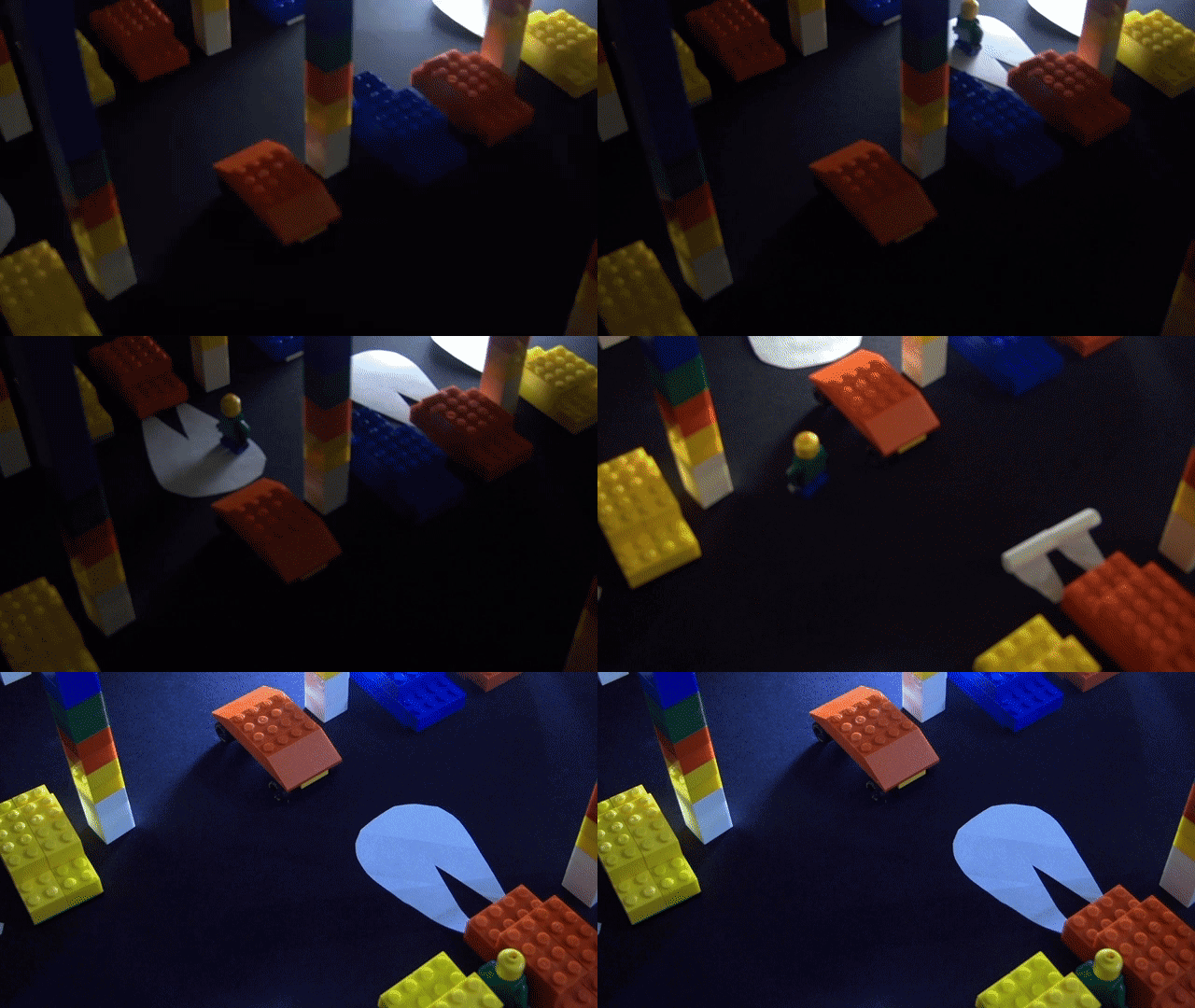
Walk_with_me
A connected vehicle spends ninety-five percent of its life parked. Its sensors are active. Its lights are controllable. Its relationship to the community around it has not been designed.
Walk With Me asks what changes when the fleet's capability is organized around the street, not only the owner. The lights come on softly as a person approaches in a dark parking structure — triggered by proximity, not ownership.
A civic resource. Already there. Not yet asked for.

Curious_mirror
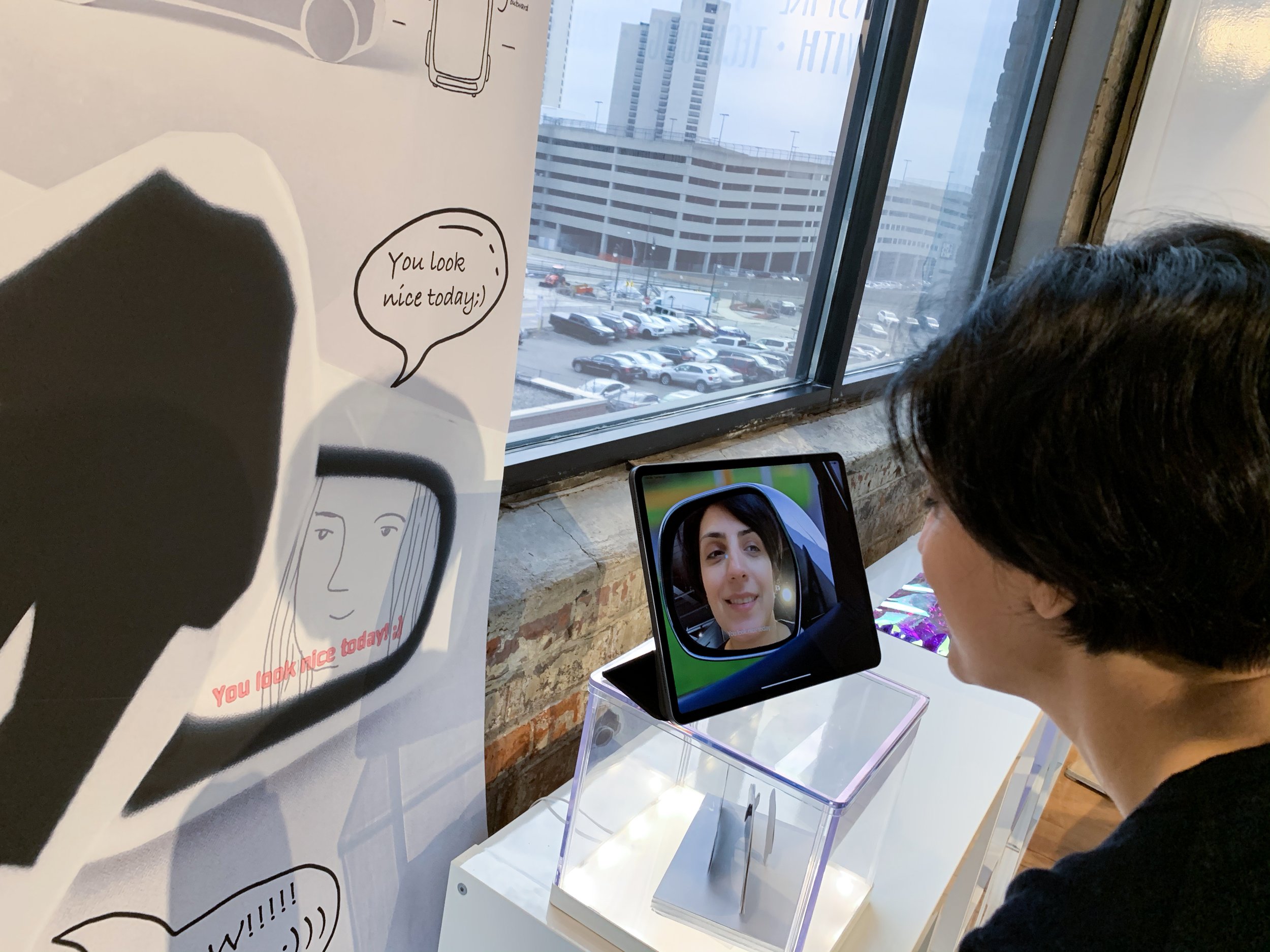
A parked vehicle whose side mirror turns outward — toward the street, toward the people walking past — rather than resting in its default inward-facing position. The change is a few degrees.
What it produces is a different social presence: the vehicle is no longer facing entirely away from the life around it.
That's the whole gesture, and it's enough to shift what kind of object it feels like it is — closed and private, or quietly attentive to the street it sits on.

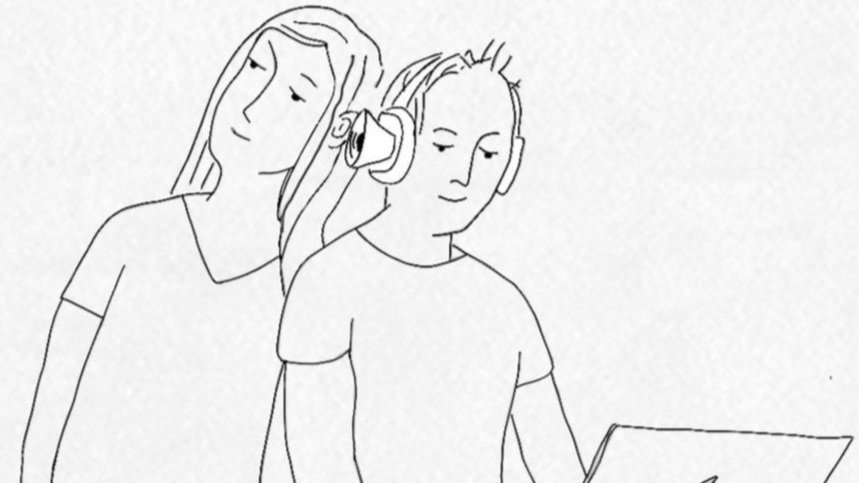
Social_headphones
Equipping products with social skills.

Free_range_umbrellas
Strangers need strange moments together. Making encounters slightly more possible.

Ring_my_bell
A driver approaching a cyclist. The only available word is a horn. The horn carries the grammar of a private vehicle asserting priority.
The situation required something closer to: I see you. Take your time.
We gave the car a bicycle bell — one sound borrowed from a different social world, carrying a grammar of courtesy between people sharing a path. The joined US Patent followed.

Small_talk_bus_stop
A bus stop that lets you talk to birds. On the social possibility of ordinary waiting.

Sound_compass
Investigating spatial awareness as emotional awareness.
Care_and_presence
In serious illness, adaptive technology is already present. The question is whether it participates in the care.
Someone is in treatment. The people who care about them are far away. The platform sends reminders. Accurately. On schedule.
It does not witness.
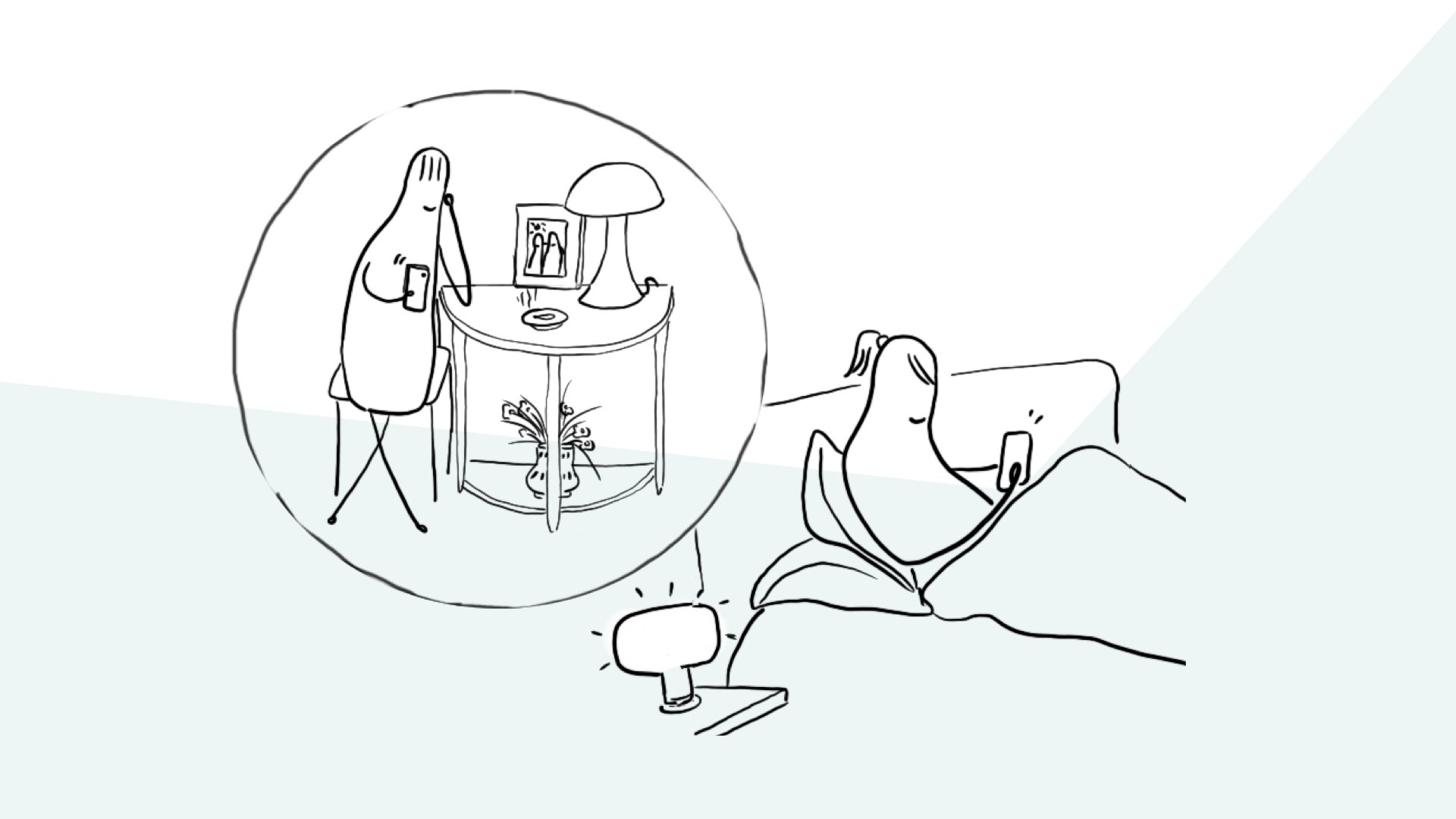
Get Well Glow is a connected ambient experience — a soft pulse of light, sent from someone thinking of you right now, received without words, without a notification, without asking anything of the person on the other end.
Awareness itself is a resource in healing. The technology was already in the room. It had simply never been asked to hold this.

It’s_going_to_rain
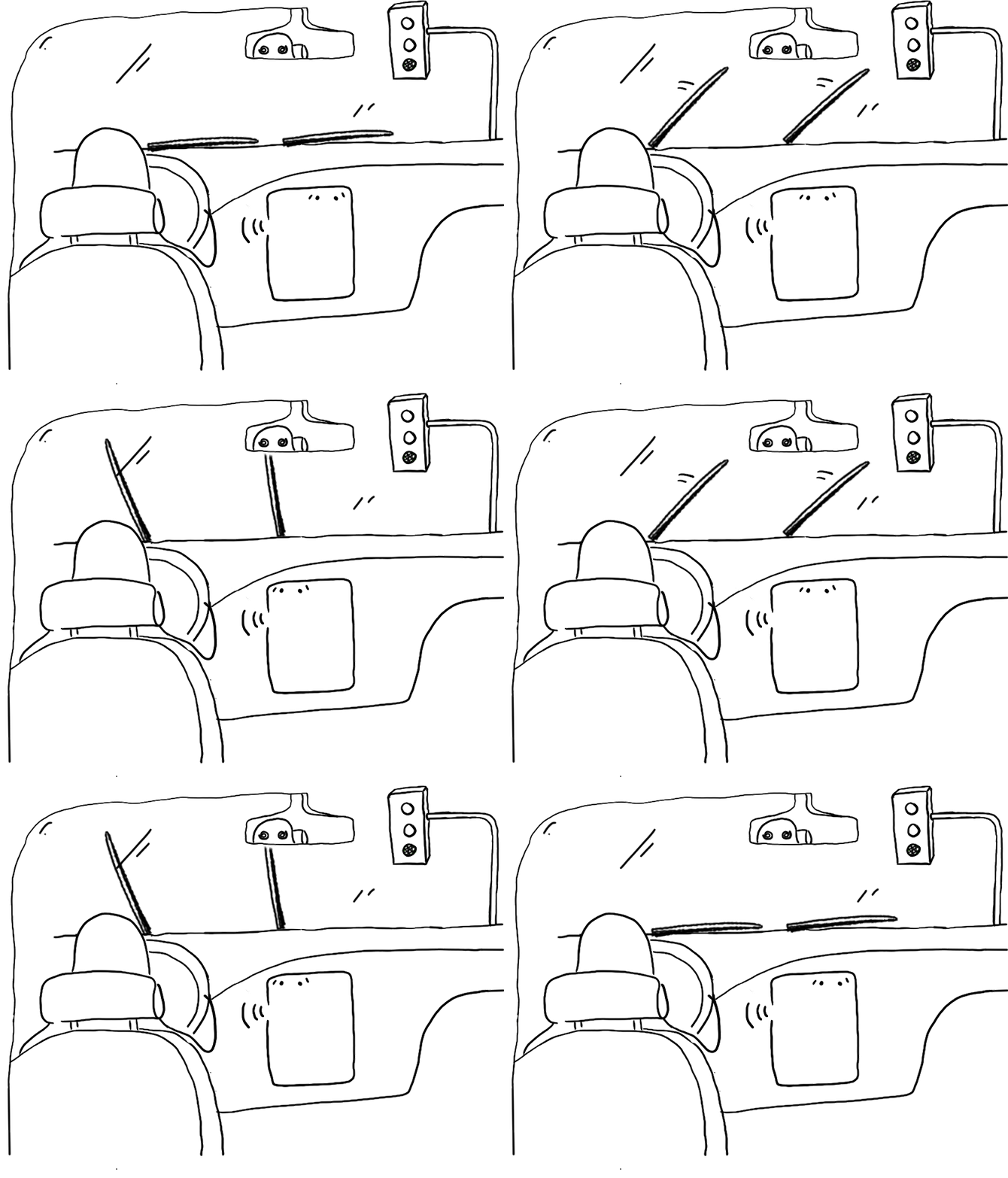
Parked cars that hear rain coming and tell the people walking past.
Experience Systems
Platform level thinking
These are frameworks for how a connected ecosystem — a vehicle platform, a mobility network, an AI system — can be organized around the social life it is already inside.
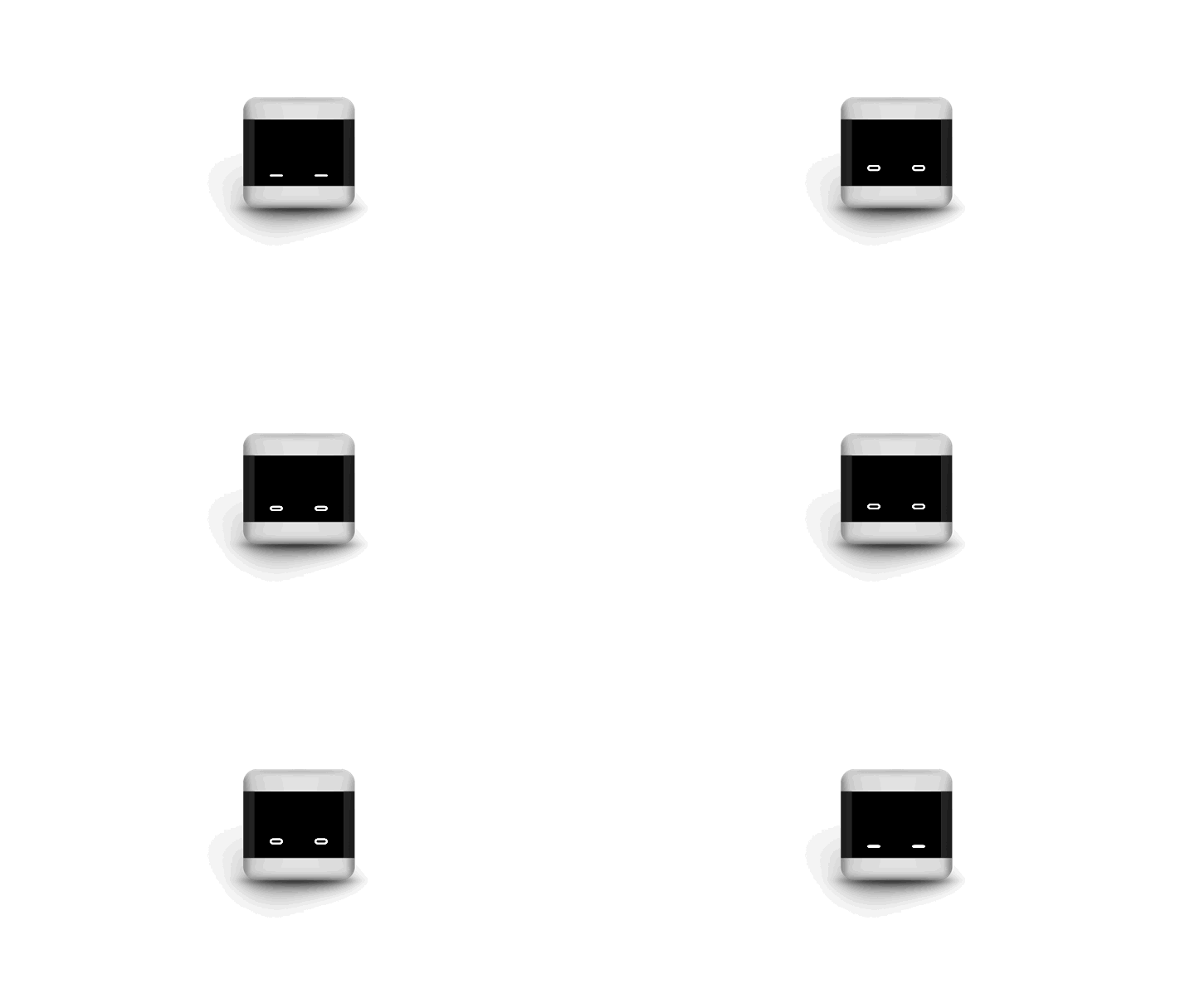
Expressive Companion
What if an AI system expressed what it notices, rather than only responding to commands?

Mobility Commons
Designing for emergent techno-social frameworks
A new kind of Participant
Articulating Software Defined Vehicle through distinctive techno-social situations

Electriquette
Electrification needs new social infrastructure, not just new technical infrastructure
Expanding Design Vocabulary
Experience Design's existing vocabulary was built for a narrower relationship with technology than the one we're now living inside.

Living_with_technology
The design scope has expanded. Most design practice has not caught up.
Resonance
Technology that resonates doesn't just function. It understands something about the situation it's in.

Surplus_of_social_possibility
Every situation contains more than its current design reveals.
Techno-social_situation
The design space where technology meets human life in full — not just at the task.

Social_accessories
Objects have social skills. Most of them go unused.
Expressive_interaction
AI systems can respond to commands. The question is whether they can attend to situations.