the practice
Situation-centric design is a continuing mode of inquiry into how people and technology relate to each other, and into what design can do about that relationship when it is still being formed.
The practice is grounded in a sociological orientation toward situations: finding what is already there — the relations, the emotions, the intentions surrounding the task — before deciding what the system should do. This is the foundation the landing page describes more fully. Here, it organizes everything below.
The most interesting design question of this moment is about relationship: what kind of participant should an adaptive, always-on system be in a person's life — and how do you design for that before the category for it fully exists?
The work takes the form of experience frameworks, concept prototypes, and design propositions.
The practice is directed toward AI interaction design, connected platforms, and wherever adaptive technology is entering human experience before the design conversation has fully asked what it should become.

experience
The work is always a question before it is a design.
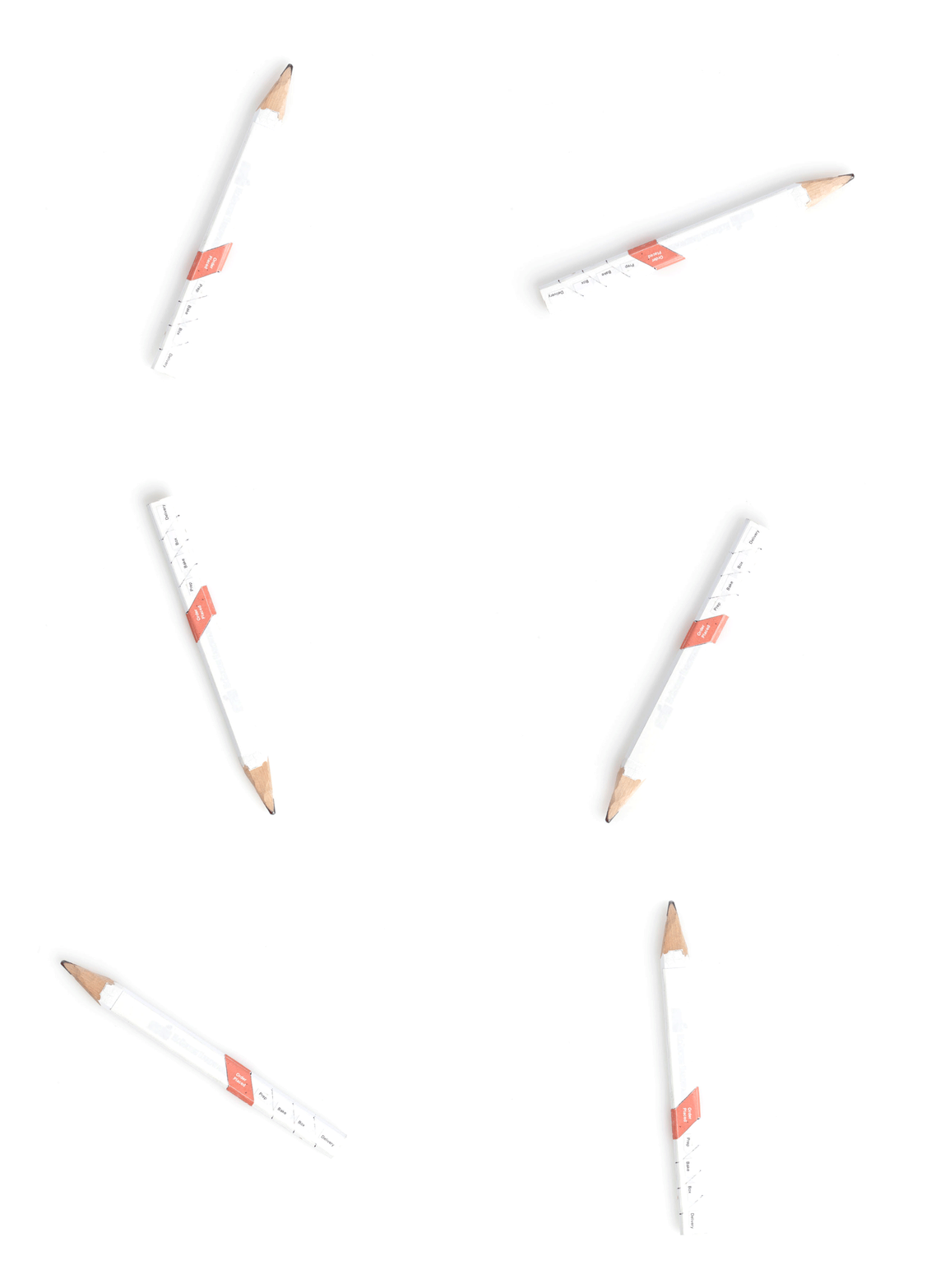
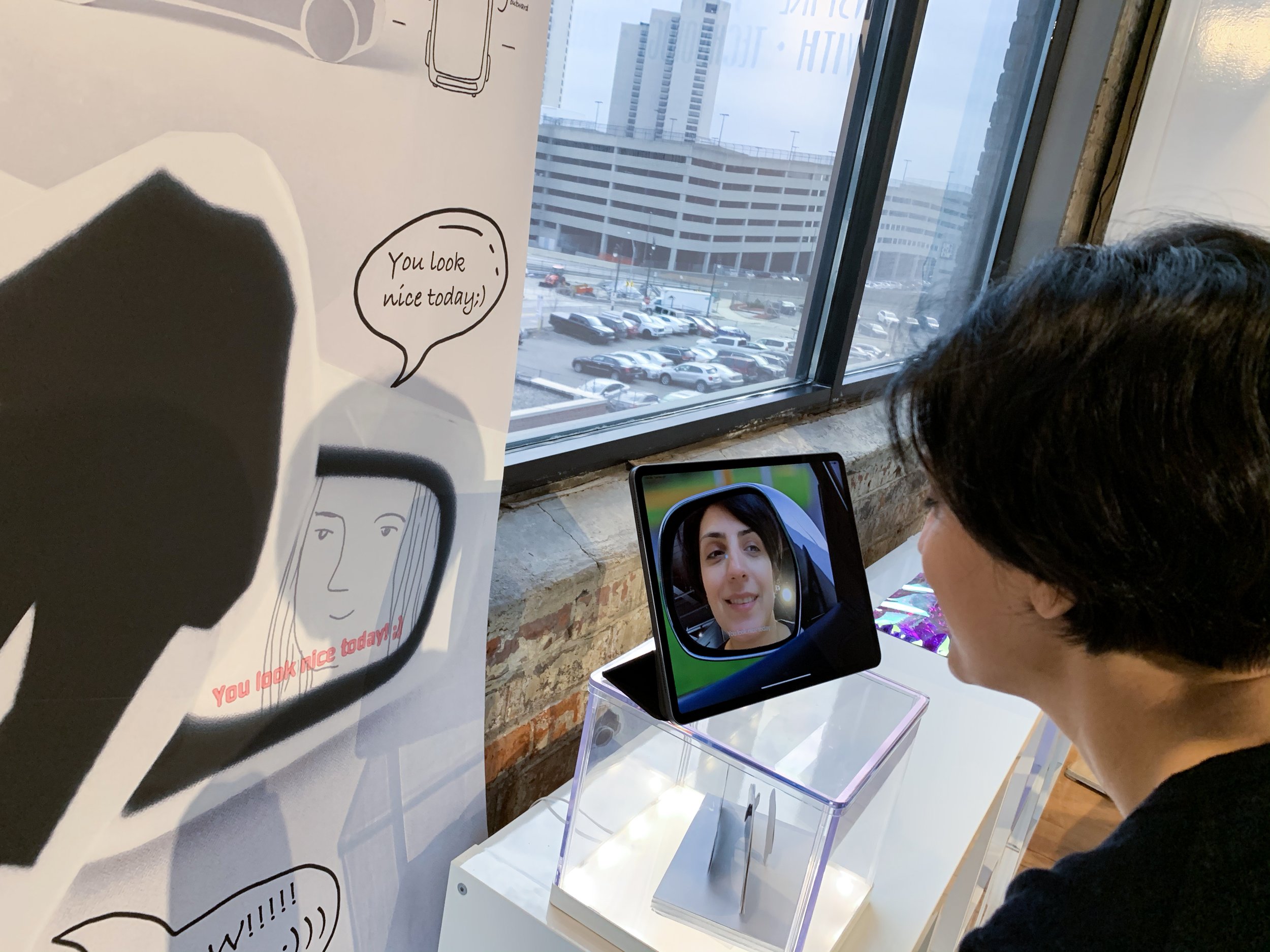
A pizza tracker that made waiting feel like watching. A connected vehicle that asked what a car might notice about a life beyond the road. Patient experience work that asked how the system around treatment could support the person inside it.
Different projects. The same question underneath: what is this situation actually organizing, beneath the task? And what has its current design not yet found?
I call the frame social imagination — the ability to find the relational and emotional surplus in any product or system that its current design has not yet reached, and to make invisible things felt.
At CP+B, where I spent eleven years, I built Room for More Possibilities — a strategic invention unit at the edge of what connected technology could become. Working with Domino's, Volkswagen, American Express, IKEA, Virgin Atlantic, and others, the question underneath every project was the same: how does a product enter a person's life as something more than a function?
At VML, in partnership with Ford Product Development, I founded Kinetic Optimism Studio — seven years designing the experiential architecture of connected and software-defined vehicles. A joint US patent. Multiple patent disclosures. A body of original design inquiry and concept prototyping that asked what a car owes the person inside it, and the situation around it.
Clients across different practices have included Volkswagen, Domino's, AstraZeneca, Merck, J&J, OnStar, Ford, Lincoln, Hotels.com, American Express, IKEA, Kraft, Virgin Atlantic, Hulu, Mazda, and United Rentals.
After some years inside institutional structures, my practice continues as an independent inquiry — in motion, not yet settled, looking for the next context where this way of seeing finds its most useful home.