Techno-social situation
The design space where technology meets human life in full — not just at the task.
A connected system is never just in a situation. It is in a social situation.
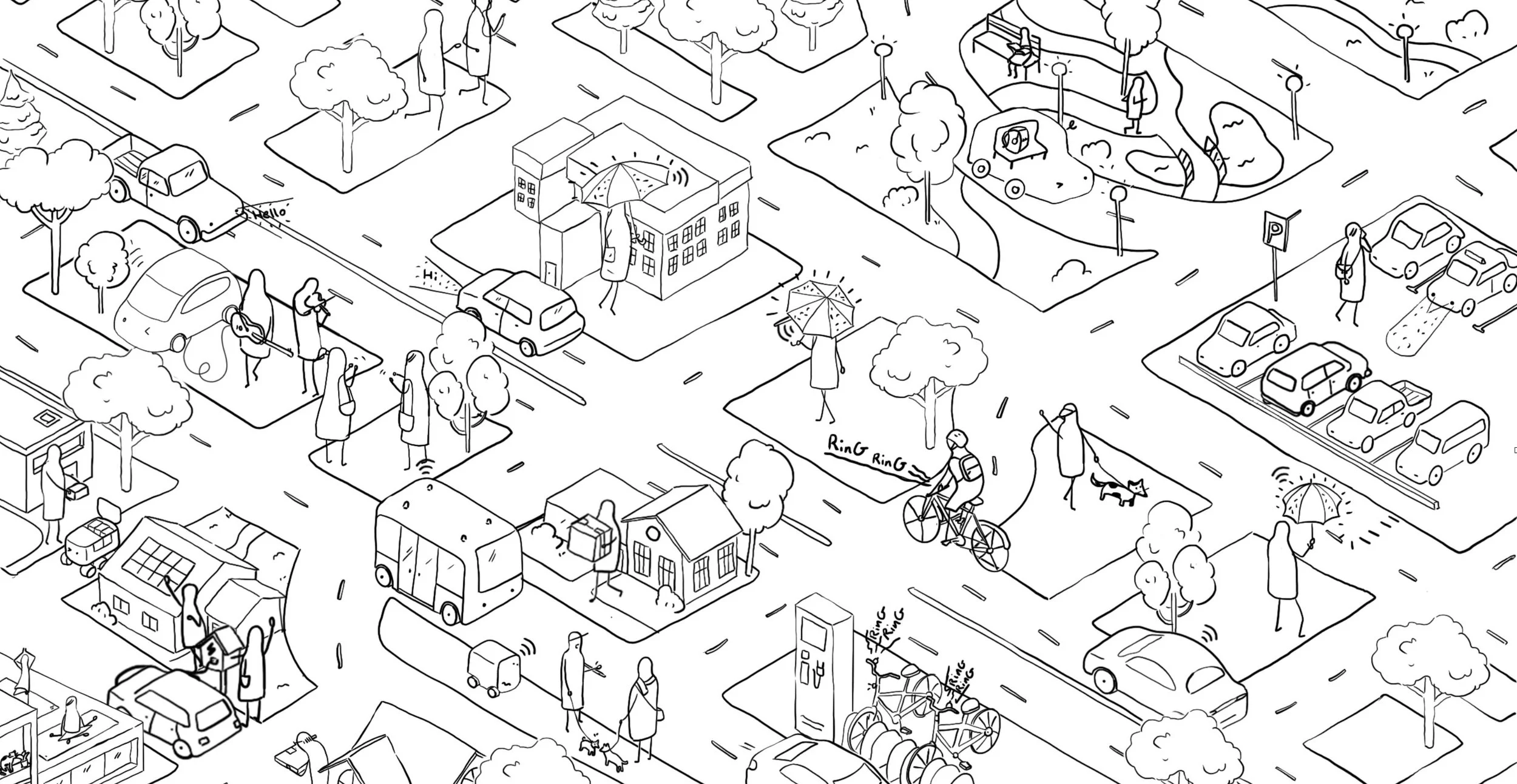
When a car approaches a cyclist, there are two people with bodies, intentions, and a history of being treated with or without courtesy by the road they share.
When a health platform sends a reminder, there is a person on the other end of it who is frightened or exhausted or quietly hopeful.
When an AI assistant is present in a meeting, there are human relationships in the room with it — power dynamics, unspoken concerns, the specific weight of who is listening to whom.
A connected system is never just in a situation. It is in a social situation.
Technology has always been inside these situations. What has changed is that it is now adaptive, always-on, and capable of responding to them. The vehicle knows the cyclist is there. The health platform knows it is evening and the patient has not slept. The AI assistant can read the tone of the conversation.
The techno-social situation is our name for this moment: when a connected system is present inside a human experience and has the capacity — unrealized by current design — to respond to it as a social situation rather than a task queue.
This is the design space I work in.

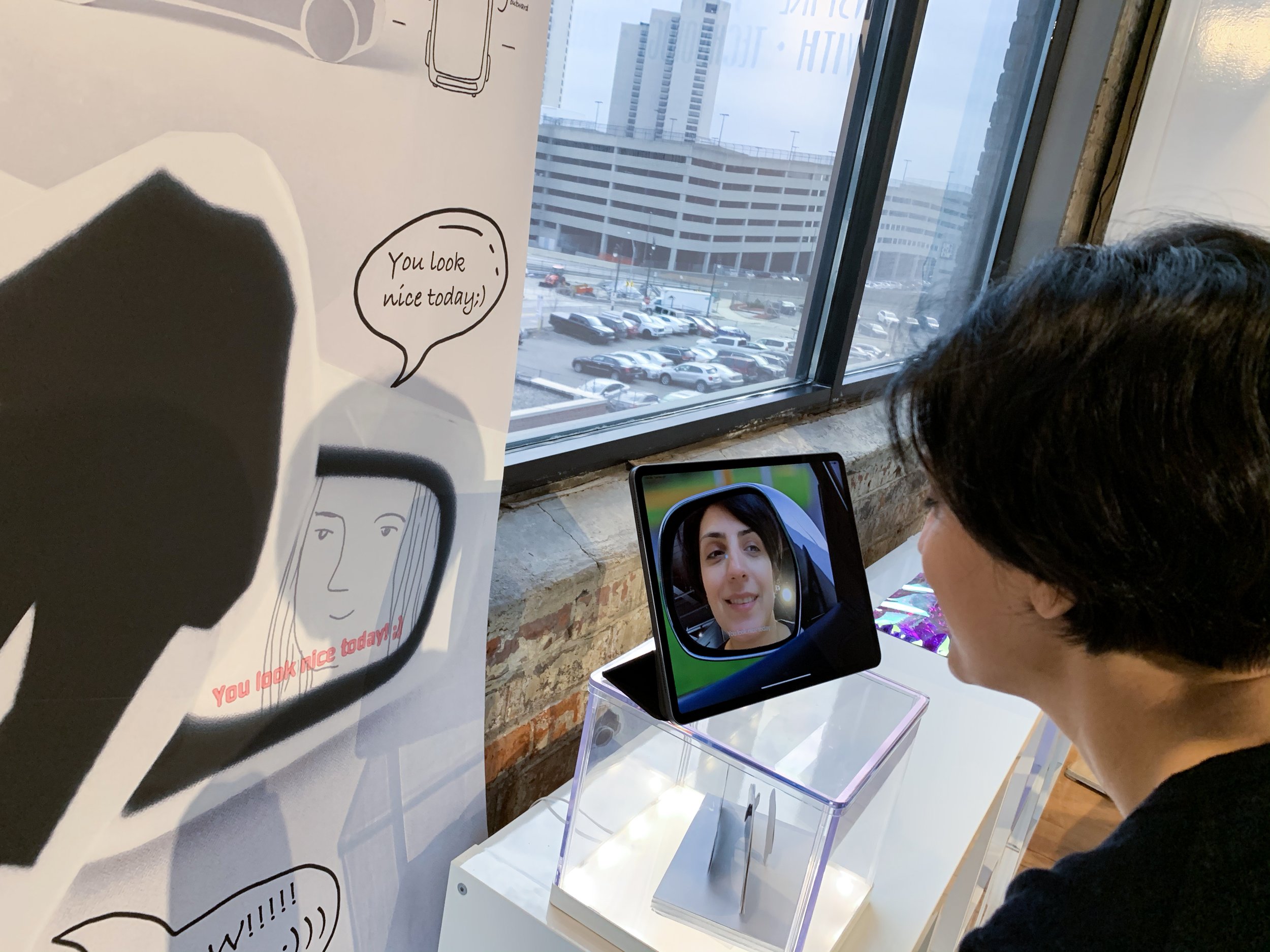
Working in it requires a different kind of analysis. Task analysis asks: what does the user want to accomplish? Social situation analysis asks: who is here, what relations are already present, what values are operating, what would it mean for the system to be genuinely present in this moment? These are not competing questions.
They are nested ones. The second contains the first and goes further.
The techno-social situation matters more right now than it ever has, because the systems entering our social situations are more capable than any that came before.
AI systems can model context. They can recognize patterns. They can infer states.
The question is not whether they are in our social situations — they are — but what design decides they do there.
Every experience proposition in our work begins from a techno-social situation: a specific moment, a connected system already present in it, and the question of what else that system could do.
The situation is the design brief.
→ See in the work:
Electriquette ·
Care & Presence ·
Architecture of Anticipation ·
Free Range Umbrellas ·