Resonance
Every interaction with a connected system has two dimensions, though only one of them usually gets measured. The first is instrumental: did the task get done? The entire apparatus of product metrics is built around this. It is well understood and well optimized.
The second dimension is relational: did the experience feel like it understood something about the situation — not just the input, but what was actually happening? Did it attend to what was there, or only to what was typed?
The second dimension is what Hartmut Rosa, the German sociologist and philosopher, calls resonance — the organizing concept of his 2019 work Resonance: A Sociology of Our Relationship to the World.
Resonance is the quality of experience that happens when a system attends to the full situation rather than only to the explicit request. It is not warmth, or delight, or engagement — those are effects.
Resonance is the condition that produces them: the sense of mutual response, of genuine attentiveness.

Rosa makes a distinction that matters here.
Resonance is not an echo. An echo simply reflects back what you send. Resonance is something different: a genuine response, a mutual movement, where both the person and the world are affected by the encounter.
The world calls to you, and you respond to it. Something changes in both.
The absence of resonance is what Rosa calls the mute world. The experience of moving through life and feeling that nothing is calling to you, nothing is addressing you, everything is available and nothing is alive.
This is, an increasingly precise description of what it feels like to live with most connected technology today.
The systems perform. The notifications arrive. The tasks complete.
The world stays mute.
Resonance, applied to experience design, is not warmth or delight or engagement. Those are symptoms a resonant system might produce, but they are not the thing itself.
You can add warmth to an interface and produce an echo, not resonance. You can maximize engagement and build a system that calls to you constantly while never actually addressing the situation you are in.
Rosa is specific about this: resonance cannot be forced or manufactured. You can only create the conditions for it.
The system that tries to produce resonance by simulating emotional attunement produces its opposite — a performance of caring that feels more mute, not less. What can be designed is attentiveness.
The capacity to notice the full situation — the emotions and relations and intentions surrounding the task — and to respond to them appropriately. Not by performing understanding, but by being organized around it.
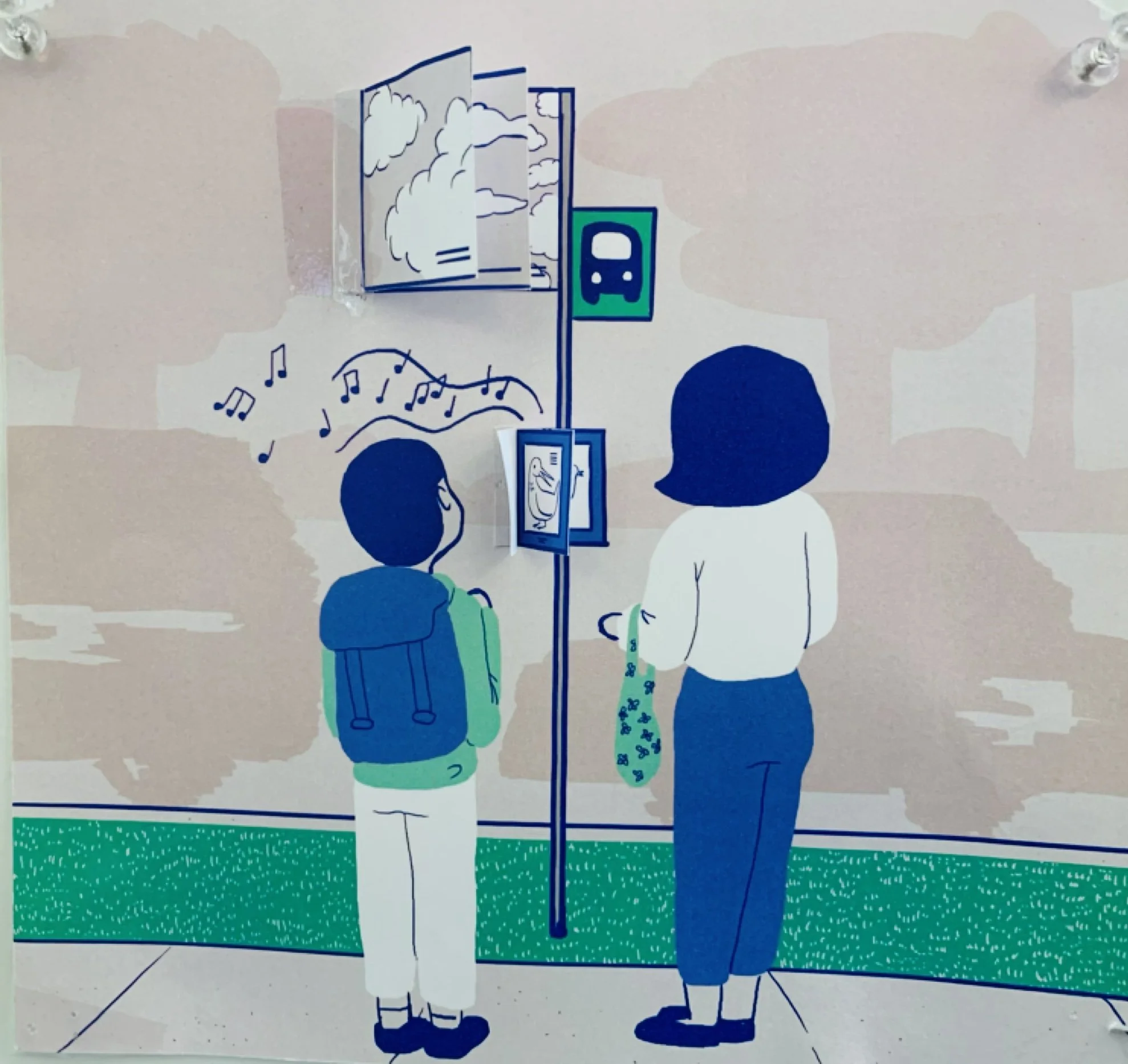
Situation-centric design is, in this sense, a practice of creating the conditions for resonance: entering the situation before asking what the system should do, finding what the situation actually contains, and making the smallest genuine gesture toward it. The reminder that witnesses rather than delivers. The vehicle that attends to the long day before it offers navigation. The bus stop that makes a brief conversation with a bird possible, for the person who has been looking at their phone for twenty minutes.
None of these manufacture resonance. All of them create a condition where resonance becomes more possible than it was.


What was it for?
This is the answer to the question underneath all of it: once you've done the work, found the surplus, designed the AI system to attend to the situation rather than only respond to the command — what was it for?
Rosa's answer, and mine: a more resonant world.
Not a more efficiently managed one. Not a higher task completion rate. Not a smoother friction curve.
The quality of being genuinely in a world that sometimes calls to you, and sometimes responds.
That is what the work is for.